Walk-In Eye Care in Queens:
See an Eye Doctor Today
Eye problems often happen when you least expect them. If your eyes are red, painful, irritated, your vision suddenly changes, or you have something in your eye, you shouldn’t have to wait to see a doctor.
Metro Eye MD sets aside time each day for walk-in patients. You can come to our Astoria or Bayside offices without an appointment and see the same board-certified eye specialists as our scheduled patients.
If you have sudden vision loss, a chemical splash in your eye, an object stuck in or penetrating your eye, or a serious eye injury, call 911 or go to the nearest emergency room right away.
What Brings You in Today?
Tap a symptom to learn more.
Walk-In Appointments at Metro Eye MD
Walk-in eye care is urgent care dedicated to your eyes. It gives you same-day access to an ophthalmologist for eye and vision concerns that can’t wait for the next open appointment, but don’t require a trip to the emergency room.
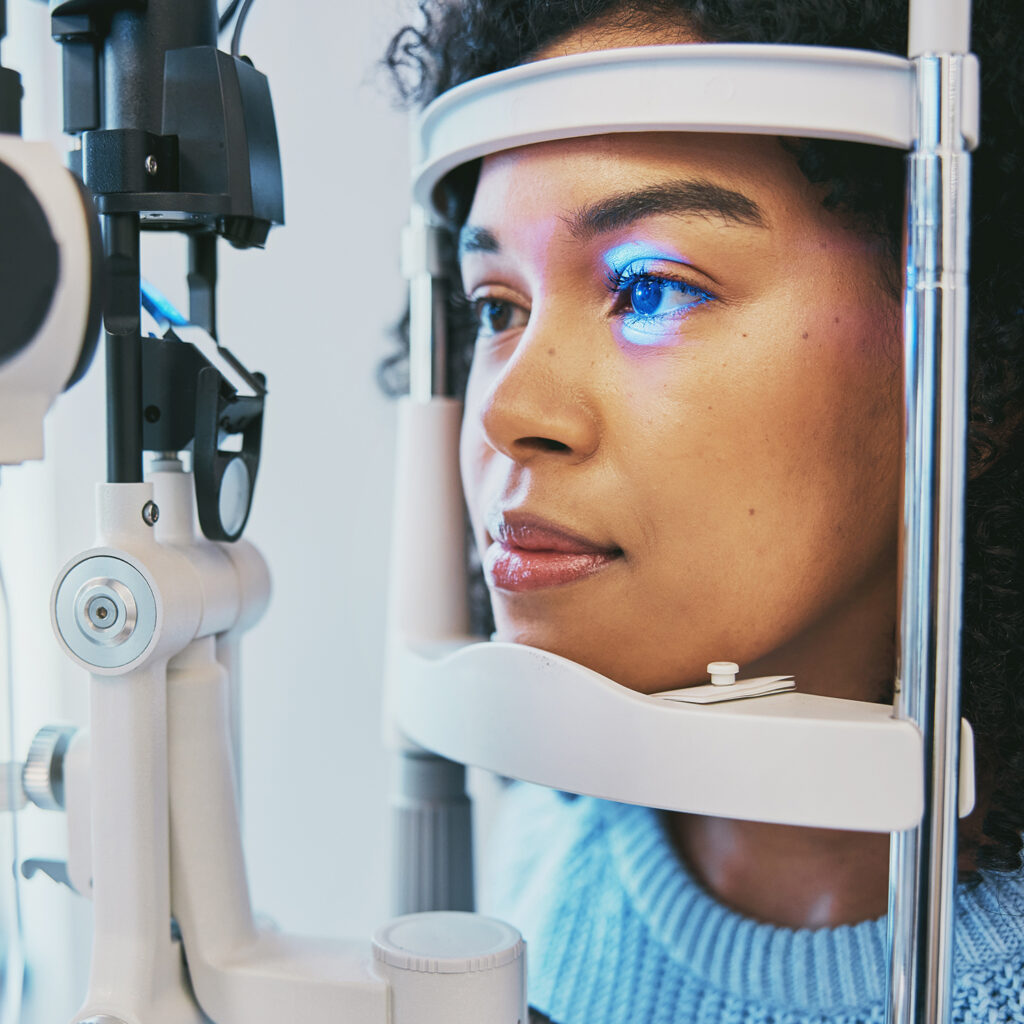
General urgent care centers and ERs often lack the specialized equipment needed to examine the eye closely. At Metro Eye MD, we evaluate walk-in patients with the same diagnostic tools we use every day, including a slit lamp microscope, eye pressure testing, and retinal imaging. That means an accurate diagnosis and, in many cases, treatment during the same visit.
Our walk-in service covers both urgent concerns and general eye care, including:
- Red, irritated, or itchy eyes
- Eye pain or light sensitivity
- Eye infections, including pink eye and styes
- Something stuck in your eye
- New flashes of light or floaters
- Sudden blurry or changing vision
- Contact lens problems
- Minor eye injuries
- Flare-ups of ongoing conditions like dry eye
Walk-in visits are not a replacement for your routine eye exam. If your concern needs ongoing care, we’ll schedule a follow-up with the right board-certified eye specialist on our team.
What is the Walk-In Process Like?
Every day, we set aside dedicated blocks of time for walk-in patients. Here's what to expect:
We usually see walk-in patients in the order they arrive, but if someone has a more serious problem, like sudden vision loss, we may see them first.
-
Check the walk-in hours.
Walk-in blocks run [insert hours]. Arriving early in a block gives you the best chance of being seen quickly.
-
Come in and check in at the front desk.
Bring your photo ID, insurance card, and a list of your current medications. If you wear contacts or glasses, bring those too.
-
Tell us what's going on.
Our team will ask about your symptoms and when they started so the doctor can prioritize your care.
-
See an eye doctor.
One of our board-certified eye specialists will examine your eyes, explain what they find, and discuss treatment options with you.
-
Leave with a plan.
We treat many concerns during the visit. You may leave with a prescription, home-care instructions, or a follow-up visit on our schedule.
How Is a Walk-In Visit Different from a Scheduled Appointment?
Walk-In Visits
Walk-in visits use special time slots set aside each day for patients without appointments.
Scheduled Appointments
Booked ahead of time for planned care, like:
- LASIK consultations
- Cataract surgery consultations
- Annual eye exams
- Prescription updates
- Follow-up and ongoing care
Walk-In Hours and Locations
We accept most major insurance plans for walk-in visits.
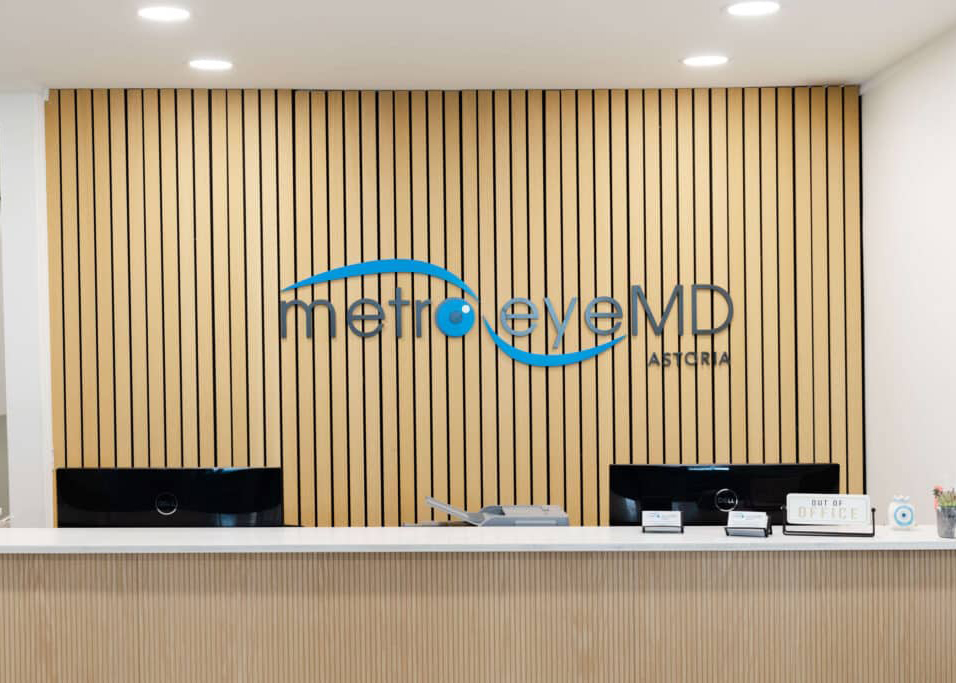

Astoria
23-09 31st St Ste 1, Astoria, NY 11105
Walk-in hours: [TBD]
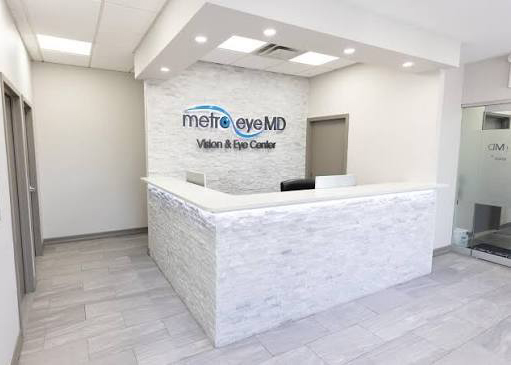


Bayside
200-20 44th Ave, Bayside, NY 11361
Walk-in hours: [TBD]
Symptoms We Treat at Walk-In Eye Care
Emergency Eye Care
Many eye problems feel like emergencies, but most we can safely handle in our office the same day. Our walk-in clinic can treat red, painful, or infected eyes, minor scratches, and objects on the surface of the eye, often faster and with more specialized care than a general ER.
Not sure which you need? Call our office and our team will help you decide.
Some situations need emergency care right away. Call 911 or go to the nearest emergency room for:
- A chemical splash in the eye. Rinse the eye with clean water for at least 15 minutes first.
- An object stuck in or penetrating the eye. Do not try to remove it.
- A serious blow to the eye or face, or a cut to the eye or eyelid
- Sudden vision loss along with weakness, numbness, confusion, or trouble speaking, which can be signs of a stroke
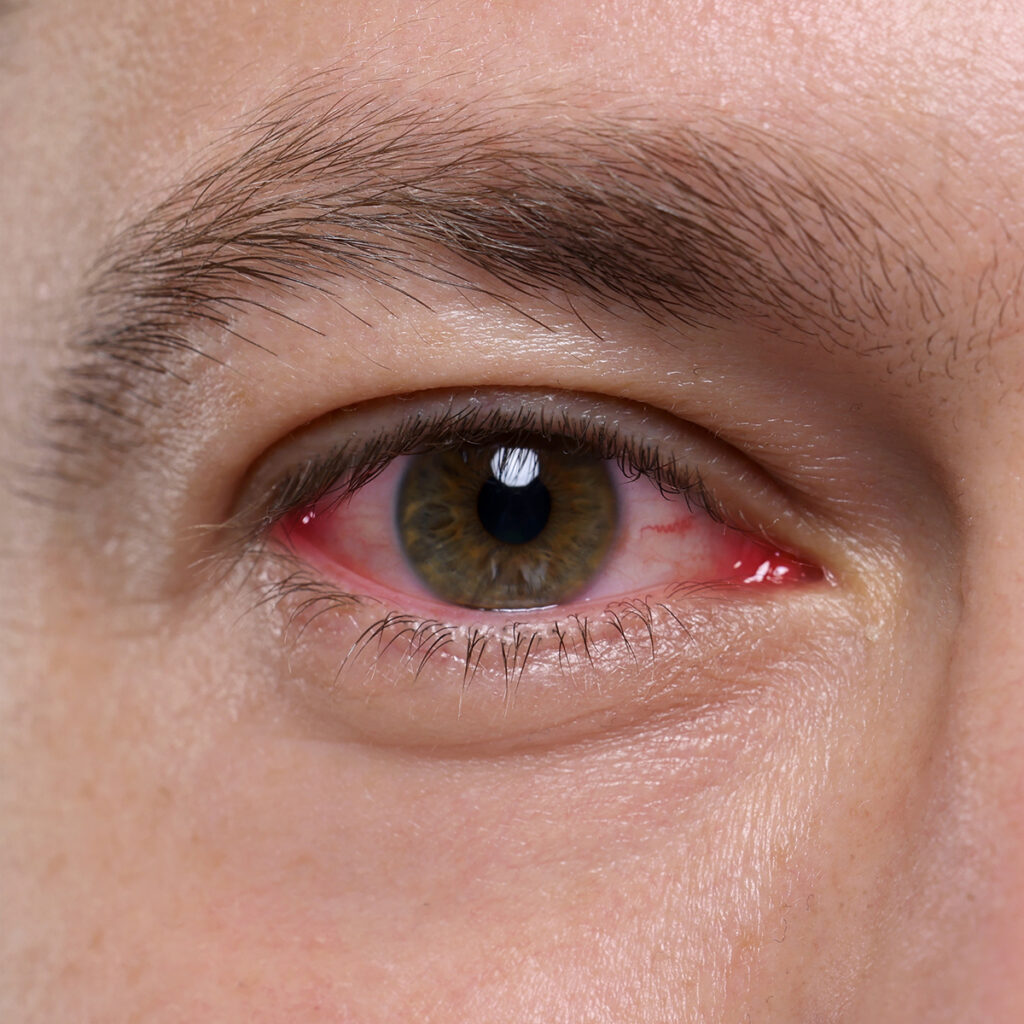
Red Eye
A red eye is one of the most common reasons patients walk in. Redness happens when small blood vessels on the surface of the eye become swollen or irritated.
Common causes include allergies, dry eye, pink eye (conjunctivitis), contact lens overwear, and a broken blood vessel. A broken blood vessel looks alarming but is usually harmless. Other causes, like inflammation inside the eye or a sudden rise in eye pressure, can threaten your vision.
Come in the same day if your red eye comes with pain, light sensitivity, blurry vision, discharge, or if you wear contact lenses. We’ll find the cause and start the right treatment.
Flashes & Floaters
Floaters are small specks, threads, or cobwebs that drift across your vision. Flashes look like sparks or streaks of light, often at the edge of your vision. Both are common as the vitreous gel inside the eye naturally changes with age.
A sudden increase in floaters, new flashes, or a shadow or curtain across part of your vision can signal a retinal tear or detachment. We need to check these as soon as possible, because early treatment can help protect your sight.
We’ll perform a dilated retinal exam to look for tears. If we find a problem, our team can coordinate retina care right away. Plan to have someone drive you home, since dilation blurs your vision for a few hours.

Eye Pain
Eye pain can feel like burning, aching, stabbing, or a gritty, scratchy sensation. It may come from the surface of the eye, from deeper inside the eye, or from the area around it.
Common causes include a scratched cornea, dry eye, infection, contact lens irritation, and inflammation. Severe eye pain with blurred vision, halos around lights, headache, or nausea can be a sign of acute angle-closure glaucoma, which is a medical emergency. Seek care immediately if you have these symptoms.
Don’t rub a painful eye. If you wear contacts, remove them and bring them to your visit.

Eye Infection
Eye infections can affect the eyelids, the surface of the eye, or the cornea. Signs include redness, swelling, discharge, crusting on the lashes, itching, and a gritty feeling.
We commonly treat pink eye, styes, eyelid infections, and contact lens-related infections. Pink eye can be viral, bacterial, or allergic, and each needs different care. An exam helps you get the right treatment instead of guessing.
Contact lens wearers with a red, painful eye should be seen promptly. These symptoms can signal a corneal ulcer, an infection that can scar the cornea if it isn’t treated quickly. Stop wearing your lenses until you’ve been examined.

Foreign Body
Dust, sand, metal shavings, eyelashes, and other small particles can get stuck on the surface of your eye. You may feel like something is in your eye, with tearing, redness, and pain when you blink.
If blinking or rinsing with clean water doesn’t clear it, come in. Don’t rub your eye or try to remove the object with tweezers or a cotton swab. That can scratch the cornea.
We’ll numb your eye, safely remove the particle, and check for scratches. Particles from grinding or hammering metal can travel at high speed. If an object has pierced the eye or is stuck in it, go to the ER.

Sudden Vision Changes
Any sudden change in your vision deserves prompt attention. This includes new blurriness, double vision, distorted or wavy lines, dark spots, or a loss of side vision.
Sudden vision changes can have many causes, from dry eye or a shift in your prescription to more serious problems affecting the retina, optic nerve, or eye pressure, such as glaucoma. Some of these are time-sensitive, and early diagnosis can make a real difference.
If you suddenly lose vision in one or both eyes, or your vision changes along with weakness, numbness, or trouble speaking, call 911.
Same-Day Eye Doctor
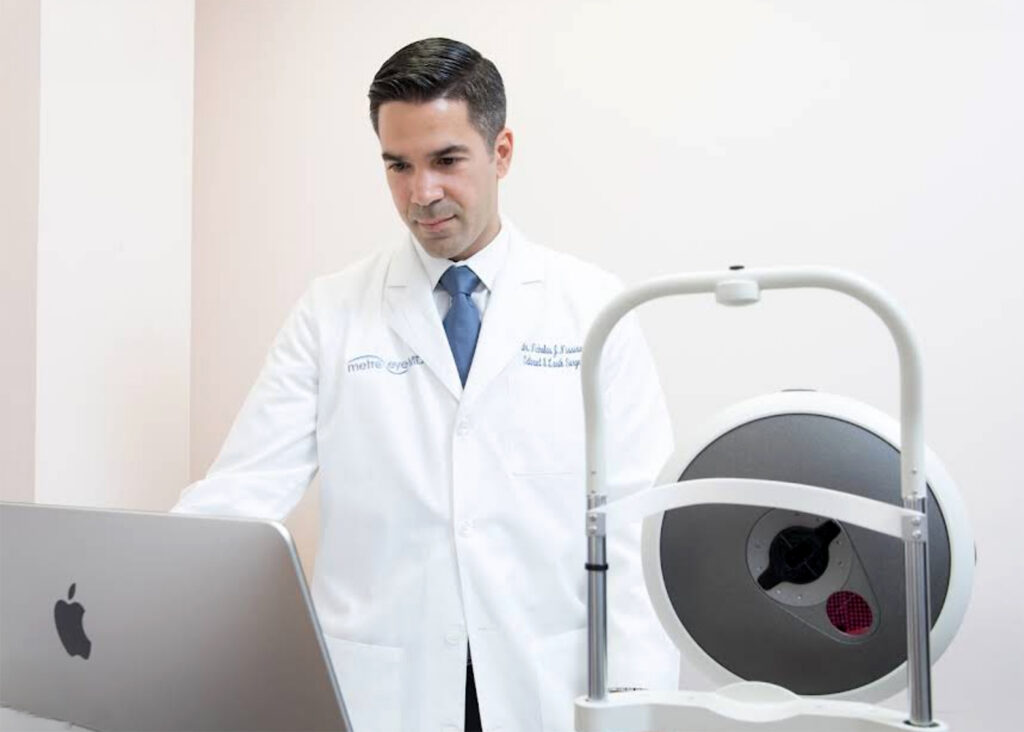
When you need an eye doctor today, you shouldn’t have to wait weeks for an opening. Our daily walk-in blocks let you see a Metro Eye MD board-certified eye specialist the same day, without an appointment.
Our experienced specialists will care for you using the same advanced technology available at every Metro Eye MD visit. If you need follow-up care, we’ll schedule it before you leave.
Check our walk-in hours above, or call your nearest office to learn about today’s availability.
Quality Eye Care When You Need It Most
Don't wait on an eye problem. Stop by during walk-in hours, or call Astoria at (718) 278-2020 or Bayside at (718) 423-2020 with questions. For routine care, you can also book online.