
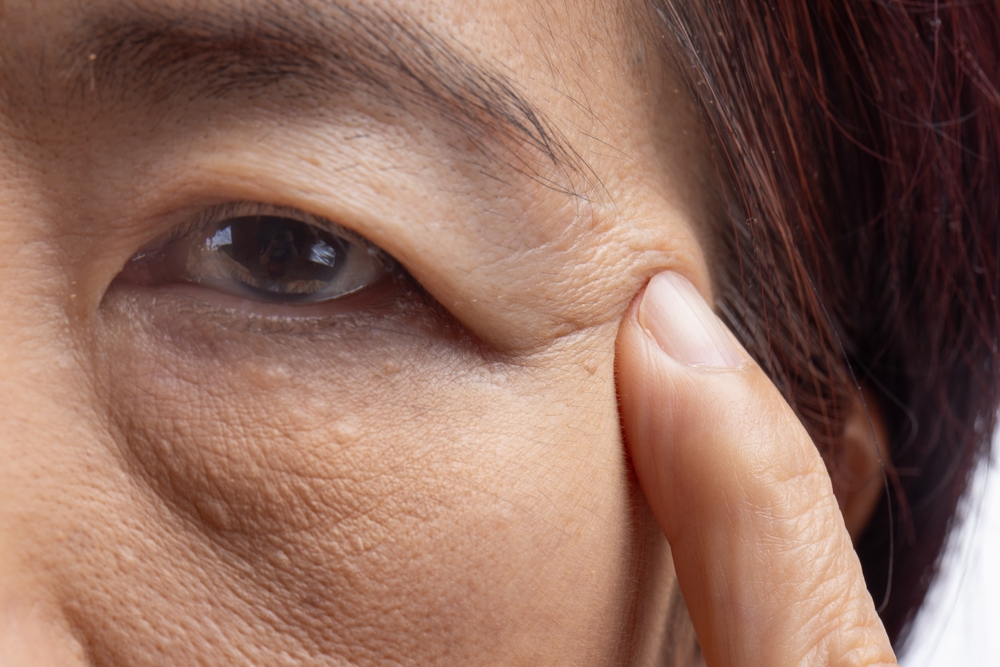
Have you noticed one or both of your eyelids drooping more than usual? This common condition, called ptosis, can affect more than just your appearance.
When your upper eyelid sags over your eye, it can limit your field of vision and make everyday activities more difficult. Keep reading to learn about what causes ptosis, how it affects your vision, and the treatment options available at Metro Eye Care.
What Is Ptosis?
Ptosis is a condition where your upper eyelid droops or sags over your eye. The degree of drooping can vary from person to person.
Some people experience only a slight droop, while others find their eyelid covers part or all of their pupil. The condition can affect one eyelid or both.
Ptosis happens when the levator muscle, which lifts your eyelid, doesn’t work properly. In adults, this muscle can stretch or separate away from the eyelid over time. The drooping can limit your normal vision or, in severe cases, block it completely.
What Causes Ptosis?
The most common cause of ptosis is aging. As you get older, the muscles and tissues around your eyes naturally weaken and stretch. This gradual change affects the levator muscle’s ability to hold your eyelid in its normal position.
Other causes include eye injuries that damage the eyelid muscle or surrounding tissues. Sometimes ptosis develops as a side effect of certain eye surgeries.
The instruments used to keep your eye open during procedures can stretch your eyelid over time. In rare cases, diseases or tumors may affect the eyelid muscle and cause drooping.
You might notice several symptoms if you have ptosis. The most obvious sign is the visible drooping of your eyelid.
You may also experience increased tearing, tiredness around your eyes, or a general achy feeling in the eye area. Some people find that their vision becomes impaired, particularly when looking straight ahead or upward.
Treatment Options for Ptosis
Your ophthalmologist will perform a comprehensive eye exam to determine the cause of your ptosis and recommend the most appropriate treatment. If the drooping doesn’t affect your vision and the appearance doesn’t bother you, you might not need treatment. However, when ptosis causes vision problems or cosmetic concerns, several effective treatments are available.
Surgery is the most common treatment for ptosis. The procedure is usually performed as an outpatient procedure, so you can go home the same day.
Your ophthalmologist will use local anesthesia to numb your eye and the surrounding area. During the surgery, they will make a small adjustment to the muscle that lifts your eyelid.
For more severe cases, the levator muscle may need to be shortened and reattached to your eyelid. Your ophthalmologist will discuss the specific approach that’s right for you.
Another option is a prescription eye drop medication called oxymetazoline. This medication targets the muscle that raises your eyelid.
Some people with ptosis notice that their eyelids open wider after using the drops. The medication needs to be used every day to continue working.
However, these drops don’t work for all types of ptosis, particularly those caused by injury or nerve problems. Your ophthalmologist can determine if this treatment option is appropriate for your specific situation.
Ptosis is a treatable condition when properly evaluated by an experienced ophthalmologist. With the right treatment approach, you can improve both your vision and appearance. Your eye doctor at Metro Eye Care will work with you to determine whether surgery, medication, or another approach best fits your needs and goals.
If you’re experiencing drooping eyelids that affect your vision or appearance, schedule an appointment at Metro Eye Care in Paramus, NJ, today!


